How to Prepare Your Heat Pump for the Maine Summer
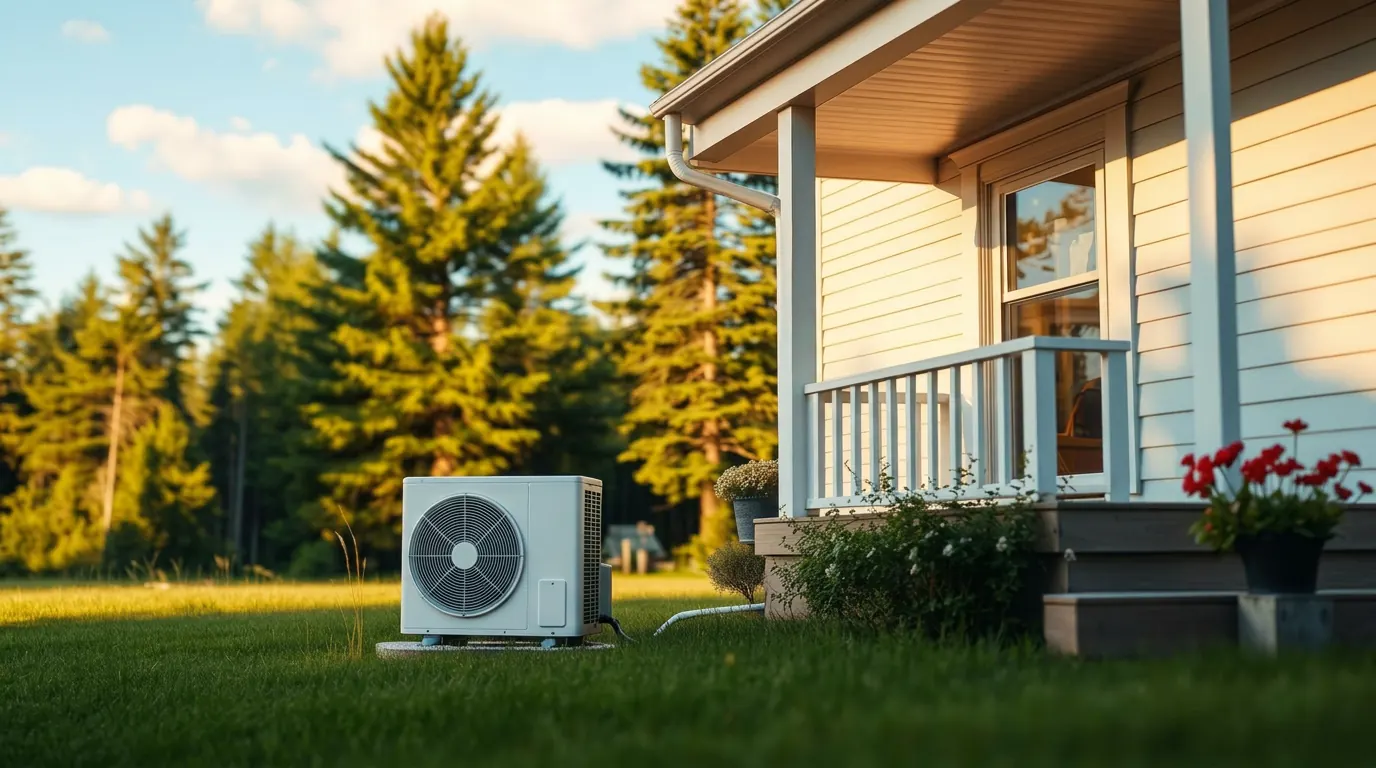
After a long Maine winter, your heat pump has been working overtime — defrosting through ice storms, cycling through sub-zero nights, and keeping your family warm through everything Aroostook and Penobscot counties threw at it. Now, with mud season behind us and humid summer days creeping in, that same system needs to pivot to cooling mode. The transition isn't automatic, and skipping prep work is one of the top reasons Maine homeowners face mid-July breakdowns and unexpectedly high power bills.
Here's a complete, Maine-specific guide to preparing your heat pump for summer — what matters, what to skip, and when to bring in a pro.
Why Summer Prep Matters for Heat Pumps in Maine
Maine summers aren't Florida summers, but they're harder on cooling equipment than most homeowners realize. Coastal humidity, sudden 90°F heat waves following 50°F nights, and pollen-heavy spring air all put strain on a heat pump that just spent six months in heating mode.
A few things working against your system right now:
- Winter debris — pine needles, leaf litter, ice damage, and rodent nesting around the outdoor unit
- Dirty coils and filters loaded with months of indoor dust, pet dander, and wood-stove residue
- Refrigerant pressures that shift with the seasonal swing from heating to cooling
- High humidity loads — Maine's coastal and lake-effect moisture means your system has to dehumidify aggressively, not just cool
Skipping heat pump maintenance Maine homeowners need each spring is what turns a $150 tune-up into a $1,200 compressor repair in August.
Signs Your Heat Pump Isn't Ready for Summer
Before you flip your system to cooling, watch for these warning signs during the first warm week:
- Weak or warm airflow when set to cool — usually a refrigerant or coil issue
- Musty or sour smells from indoor units — bacteria growth on a damp evaporator coil
- Water dripping from indoor heads — a clogged condensate line, very common after winter
- Ice forming on the outdoor unit in cooling mode — low refrigerant or airflow restriction
- Loud rattling, humming, or grinding from the outdoor condenser
- Energy bills spiking before the real heat even arrives
- Rooms cooling unevenly across multi-zone systems
Any one of these means your system is not ready for the workload a Maine July will demand.
Step-by-Step: How to Prepare Your Heat Pump
Here's exactly what to do — most of it takes less than an hour.
1. Clear the Outdoor Unit
- Remove leaves, sticks, mulch, and any winter debris within 2 feet on all sides
- Gently rinse the outdoor coil with a garden hose (low pressure, top-down)
- Check that the unit is still level on its pad — frost heaves shift pads every winter in Maine
- Trim back any shrubs, grasses, or branches that grew in last summer
2. Clean or Replace Indoor Filters
- Pop off the front panel of each indoor head
- Wash the mesh filters with warm water and mild soap
- Let them dry completely before reinstalling — wet filters grow mold fast
- Replace pleated or HEPA filters per manufacturer schedule
3. Wipe Down Indoor Units
- Dust the louvers and outer casing
- Check the vanes for warping or stuck position
- Inspect the area around each head for water staining (a sign of past drainage issues)
4. Test the Condensate Drain
- Run the system in cooling mode for 15–20 minutes
- Watch for any dripping inside or staining on the wall below the unit
- Clear visible debris from the outdoor end of the drain line
5. Switch to Cooling Mode and Listen
- Set every zone to cool, around 68°F, and let it run
- Listen for unusual sounds, watch for cold airflow within 5–10 minutes
- Check that each zone responds independently if you have a multi-head system
6. Reset Your Schedule
- Update thermostat schedules for summer hours
- If you use a smart controller, set humidity targets between 45–55%
Energy Efficiency Tips for Maine Homeowners
Getting real energy savings Maine homeowners notice on their CMP or Versant bill takes more than just a clean filter. A few high-impact habits:
- Set it and leave it. Heat pumps run most efficiently at a steady temperature — not blasted cold then turned off. Resist the urge to set it to 62°F when you walk in sweating.
- Use "Dry" mode on humid days. Maine's coastal humidity often makes 74°F feel worse than 78°F dry. Dry mode dehumidifies without overcooling.
- Close blinds on south- and west-facing windows during peak afternoon sun.
- Run ceiling fans counterclockwise to push cool air down — this lets you raise the thermostat 2–4°F with no comfort loss.
- Don't block indoor heads with furniture, curtains, or shelving.
- Keep the outdoor unit shaded if possible (without restricting airflow) — a shaded condenser runs up to 10% more efficiently.
- Schedule a professional cooling system tune-up Maine spring appointment annually to maintain peak SEER2 performance.
These small adjustments are how Maine homeowners stretch heat pump efficiency summer performance to its full potential — often cutting cooling costs 15–25% versus a neglected system.
When to Call a Professional HVAC Technician
DIY prep gets you most of the way, but some things need a trained tech with gauges, electrical meters, and refrigerant certification. Call a professional HVAC service Maine team if you notice:
- Reduced cooling capacity even after cleaning filters and coils
- Ice on the outdoor unit or refrigerant lines during cooling
- Persistent musty smells that don't clear after filter cleaning
- Electrical issues — breakers tripping, units short-cycling, or error codes on the controller
- Water leaks inside the home from any indoor head
- Your system is more than a year past its last professional tune-up
A proper spring tune-up includes refrigerant pressure checks, electrical inspection, capacitor testing, deep coil cleaning, condensate flush, and full mode verification. It's the single best thing you can do to extend your system's lifespan past 15 years and protect the investment you made when you installed it.
Get Your Heat Pump Summer-Ready
At Katahdin Home Services, we've spent years tuning up heat pumps across Bangor, Brewer, Lincoln, Millinocket, Ellsworth, and the rest of Central and Northern Maine. We know what these systems go through up here, and we know what it takes to keep them running efficiently through every season.
A spring tune-up takes about an hour, costs less than one bad month of wasted energy, and can add years to your system's life.
Call us at (207) 220-1630 to schedule your spring heat pump tune-up before the summer rush.
Frequently Asked Questions
How often should I have my heat pump serviced in Maine?
Twice a year — once in spring before cooling season and once in fall before heating season. Maine's extreme seasonal swing puts more wear on heat pumps than milder climates, so twice-yearly service is essential, not optional.
Can I prep my heat pump for summer myself?
You can handle filter cleaning, debris removal, and a basic mode test. But refrigerant levels, electrical components, and deep coil cleaning need a trained technician with the right tools.
Why is my heat pump leaking water inside in summer?
Almost always a clogged condensate drain line. Winter debris, algae, or a kinked drain line backs up water that should be flowing outside. It's a quick fix when caught early — and a major repair if ignored.
How much can a tune-up actually save me?
A neglected heat pump loses up to 25% of its efficiency. For a typical Maine home, that's $200–$400 a year in wasted electricity, plus a much higher chance of a $500–$2,000 mid-summer repair.
Will my heat pump keep up with a Maine heat wave?
Yes — if it's properly maintained and correctly sized. Modern cold-climate heat pumps handle 90°F+ days with no issue, but a system that's overdue for service will struggle exactly when you need it most.
Learn more about heat pump maintenance and how we help homeowners across Penobscot County and Hancock County — including Bangor, Brewer, Hampden, and Ellsworth.
Need Help With Your Heat Pump?
Whether you're planning a new installation or need maintenance, our team at Katahdin Home Services is here to help homeowners across Northern and Central Maine.
View Our Services