What to Expect During a Heat Pump Installation in Maine
Pre-Installation: Your Free Home Assessment
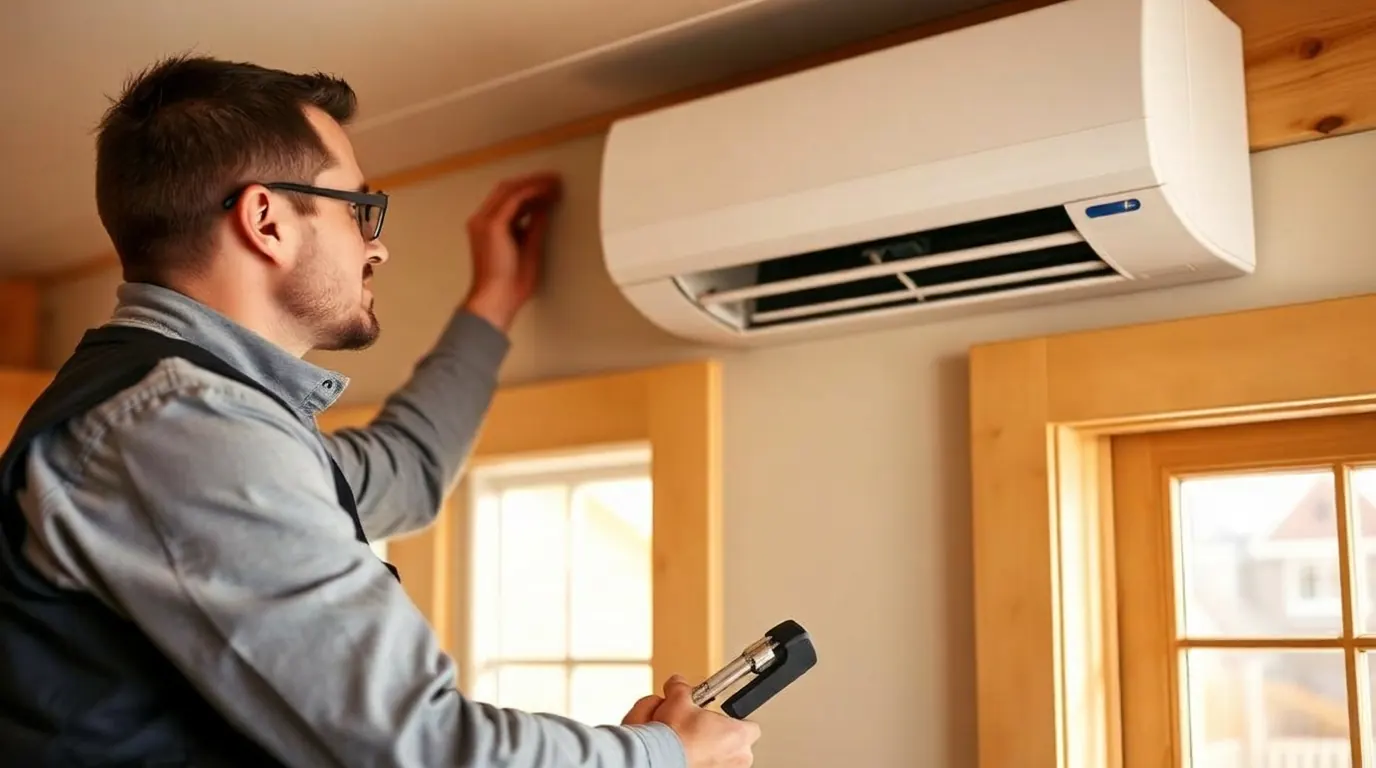
Every great installation starts with a thorough assessment. When you schedule your free home visit, here's what happens:
- We evaluate your home's layout — room sizes, insulation levels, window placement, and existing heating systems
- We perform a Manual J load calculation to determine exactly how much heating and cooling capacity your home needs
- We identify the best placement for indoor and outdoor units based on airflow, aesthetics, and efficiency
- We discuss your comfort goals — which rooms matter most, your budget, and any concerns
This visit typically takes about 30 minutes. There's no obligation and no pressure — just honest answers about whether a heat pump is right for your home.
Choosing the Right System
Based on your assessment, we'll recommend a system tailored to your home. Here's what goes into that decision:
Single-Zone vs. Multi-Zone
- Single-zone systems are ideal if you're targeting one problem area — a room that's always too hot or too cold
- Multi-zone systems let you control temperatures in multiple rooms independently from a single outdoor unit
Cold-Climate Ratings
Maine winters demand equipment rated for -15°F and below. We only install cold-climate heat pumps engineered for our conditions — not standard models designed for milder climates.
Efficiency Ratings
Higher SEER2 and HSPF2 ratings mean lower energy bills. We'll help you balance upfront cost with long-term savings so you get the best value.
Installation Day: What to Expect
Most homeowners are surprised by how smooth and fast the installation process is.
Timeline
- Single-zone system: 4–6 hours (one day)
- Multi-zone system (2–3 units): 1–1.5 days
- Whole-home system (4–5 units): 1.5–2 days
Step-by-Step Process
- Outdoor unit placement — We position the outdoor condenser on a mounting pad or wall bracket, elevated above Maine's snow line
- Indoor unit mounting — Each indoor unit is secured to the wall in the predetermined optimal location
- Line set routing — Refrigerant lines, electrical wiring, and condensate drainage are run through a small opening in the wall (typically 3 inches)
- Electrical connections — We wire the system to your electrical panel, adding a dedicated circuit if needed
- Refrigerant charging — The system is charged to the manufacturer's exact specifications and verified with gauges
- Sealing and finishing — All wall penetrations are sealed against drafts and water intrusion, and line sets are covered for a clean appearance
- Your home stays livable — we work clean and protect your floors and walls
- We'll let you know if we need to briefly shut off power
- Noise is minimal — mostly drilling for mounting and the small wall penetration
- Heating mode test — Verifying the system produces warm air and reaches target temperatures
- Cooling mode test — Confirming cold air delivery and proper dehumidification
- Defrost cycle check — Making sure the system handles frost buildup correctly
- Airflow verification — Ensuring each indoor unit distributes air evenly throughout the room
- Thermostat and remote setup — Programming your controls and Wi-Fi connectivity if applicable
- Refrigerant pressure check — Final verification that levels are within manufacturer specs
- Show you how to operate your remote control — temperature settings, fan speeds, modes
- Explain the different operating modes — heating, cooling, dry, and auto
- Share best practices for energy-efficient operation in Maine's climate
- Set up your maintenance schedule — what you can do yourself and when to call us
- Clean or replace filters monthly — this is the single most important thing you can do
- Keep the outdoor unit clear — maintain 2 feet of clearance on all sides, and clear snow after storms
- Listen for changes — unusual sounds can indicate a problem before it becomes serious
During Installation
Post-Installation Testing
Before we consider the job complete, every system goes through a comprehensive checkout:
Your System Walkthrough
We don't just install and leave. Every installation includes a personal walkthrough where we:
Keeping Your System Running Strong
A properly maintained heat pump can last 15–20 years. Here are the basics:
What You Can Do
Professional Maintenance
We recommend twice-yearly professional tune-ups — once in spring after heating season and once in fall before it starts. A maintenance visit includes refrigerant checks, electrical inspection, coil cleaning, and performance optimization.
Ready to Get Started?
The best time to install a heat pump in Maine is before you need it. Spring and early summer give us ideal conditions for installation, and you'll be ready for both cooling season and next winter.
Call us at (207) 220-1630 to schedule your free home assessment.
Learn more about heat pump installation and how we help homeowners across Penobscot County, Piscataquis County, and the Bangor, Brewer, and Lincoln areas.
Need Help With Your Heat Pump?
Whether you're planning a new installation or need maintenance, our team at Katahdin Home Services is here to help homeowners across Northern and Central Maine.
View Our Services