Complete Guide to Heat Pump Installation and Maintenance in Maine (2026)
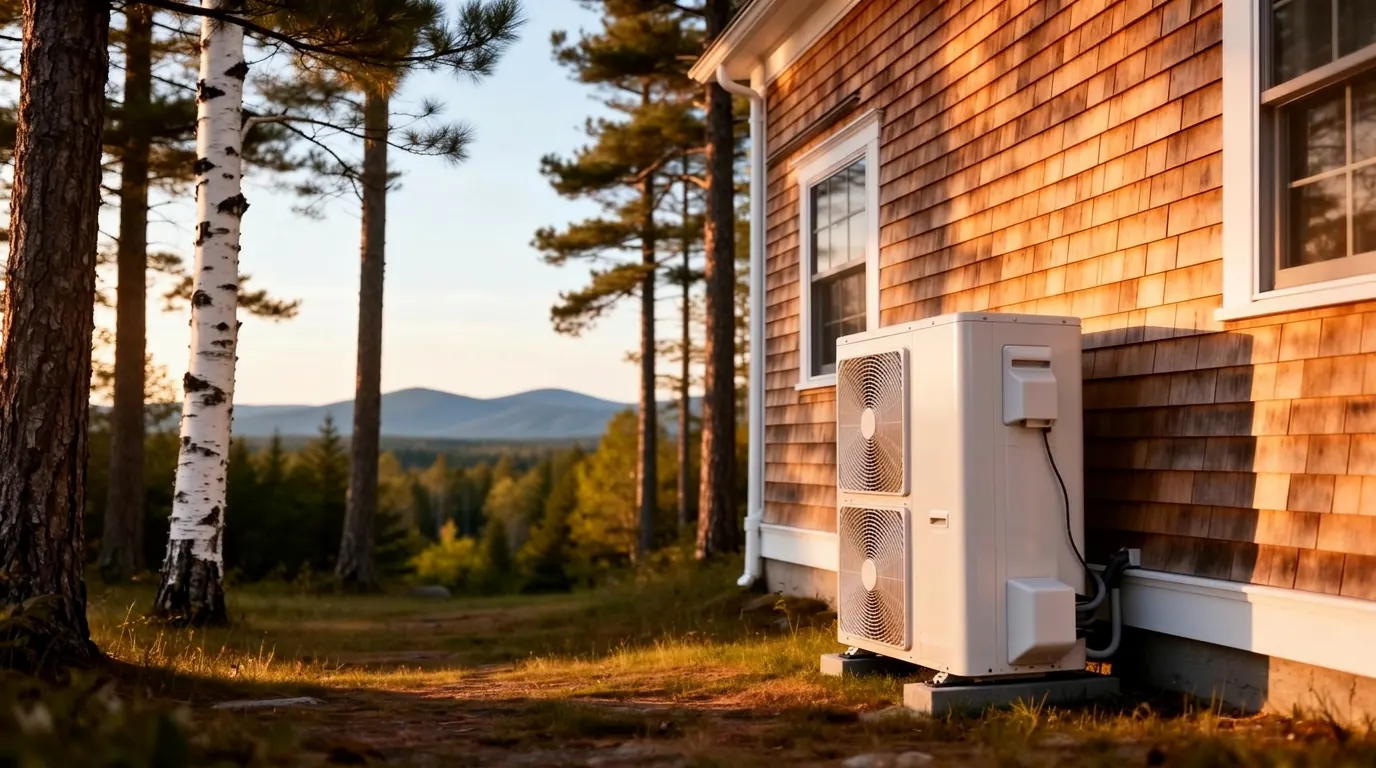
If you own a home in Northern or Central Maine, you've almost certainly seen heat pumps go from "that thing my neighbor tried" to the most common heating upgrade in the state. In 2026, cold-climate heat pumps are the default recommendation for Maine homeowners — and for good reason. They heat efficiently below zero, cool and dehumidify in summer, and cut annual energy costs significantly compared to oil, propane, or electric baseboard.
This guide walks through everything a Maine homeowner should understand before, during, and after installing a heat pump — from why they actually work in Bangor, Lincoln, or Millinocket winters, to what a real install day looks like, to the maintenance routine that keeps the system running well past its 15-year mark.
Why Heat Pumps Make Sense for Maine Homes in 2026
A few years ago, the idea of heating a Maine home with a heat pump was met with reasonable skepticism. That conversation is over. Modern cold-climate heat pumps are engineered for exactly the conditions Northern and Central Maine throws at them.
Real benefits Maine homeowners see:
- Year-round comfort from one system — heating in January, cooling and dehumidification in July
- 3–4× more efficient than electric baseboard or resistive heat
- Significant savings vs. oil and propane for most Maine homes, especially as fuel prices stay volatile
- Quiet operation — modern indoor heads are quieter than a refrigerator
- Zone-by-zone control — heat the rooms you use, not the ones you don't
- No combustion inside the home — no oil tank, no flame, no carbon monoxide risk
- Strong cold-weather performance — leading cold-climate units deliver full heating capacity well below 0°F and continue operating past –20°F
For more detail on the dollars-and-cents side, see our breakdown of how heat pumps save Maine homeowners money — even in winter, and the comparison of heat pump vs. central air for your Maine home.
What "Cold-Climate" Actually Means
Not every heat pump is built for Maine. The term you want to look for is cold-climate heat pump (ccASHP) — these are the systems engineered specifically for Northern climates. The right unit for a home in the Bangor region or further north should:
- Be rated to deliver full heating capacity at +5°F or colder
- Continue operating reliably down to –15°F or below
- Use enhanced vapor injection or a similar cold-weather compressor design
- Carry a documented HSPF2 / SEER2 rating from the manufacturer
If you're shopping brands, our guide to the best heat pump brands for Maine homes in 2026 breaks down what to look for.
The Heat Pump Installation Process in Maine
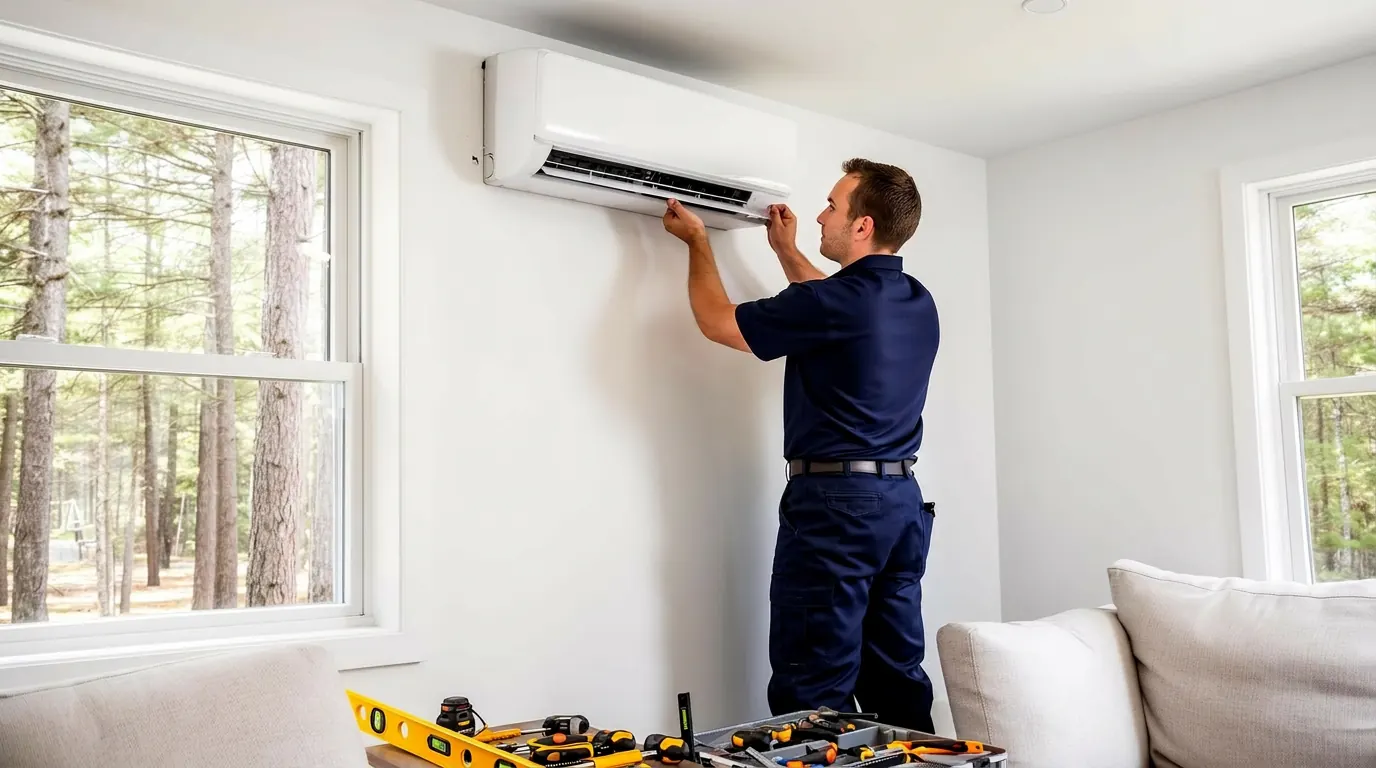
A good install is about 80% planning and 20% installation. Here's what the process actually looks like when you work with a local Maine team.
1. Free In-Home Assessment
Every quality install starts with someone coming to your house. We measure rooms, check insulation, look at your existing heating setup, and ask how you actually use your home. This is where we figure out:
- How many zones (indoor heads) you really need
- Where the outdoor unit should sit (snow drift, drainage, line set length)
- What size system matches your home's actual heat load
- Whether any electrical upgrades are needed
You can read a full step-by-step walkthrough in our post on what to expect during a heat pump installation in Maine.
2. Proper Load Calculation — Not Guesswork
The single most important thing a Maine installer can do is correctly size the system. An oversized heat pump short-cycles, wastes energy, and wears out fast. An undersized one struggles in January. Real load calculations — accounting for square footage, insulation, windows, and your local design temperature — are non-negotiable for a system that will last.
3. Equipment Selection
Once we know the load, we recommend a system. For most Maine homes that means a cold-climate ductless mini-split or multi-zone system from a manufacturer with a proven track record in the Northeast. We'll explain trade-offs in efficiency, cost, sound levels, and warranty coverage so you can make an informed call.
For a real-world look at what a system typically costs, see our breakdown of ductless mini-split installation cost in Maine.
4. Installation Day
A typical single-zone install takes most of one day. Multi-zone systems run 1–2 days. Here's what happens:
- Outdoor unit is set on a level pad or wall bracket, sized for snow clearance
- Indoor heads are mounted on interior walls with proper backing
- Line sets (refrigerant + condensate + control wiring) are routed cleanly through the wall and weather-sealed
- Electrical is connected to a dedicated breaker, often 240V
- System is vacuumed, charged, and commissioned — this step matters more than most homeowners realize
- Walkthrough — we show you the controller, modes, and what to expect on your first electric bill
5. Choosing the Right Installer
Equipment matters, but the installer matters more. A perfectly engineered system installed poorly will fail; a mid-range system installed correctly will run for 15+ years. Our guide to choosing the right heat pump installer near Bangor, Maine walks through what to ask and what to watch out for.
You can also see the full scope of what we offer on our services page.
Heat Pump Maintenance: Keeping Your System Running for 15+ Years
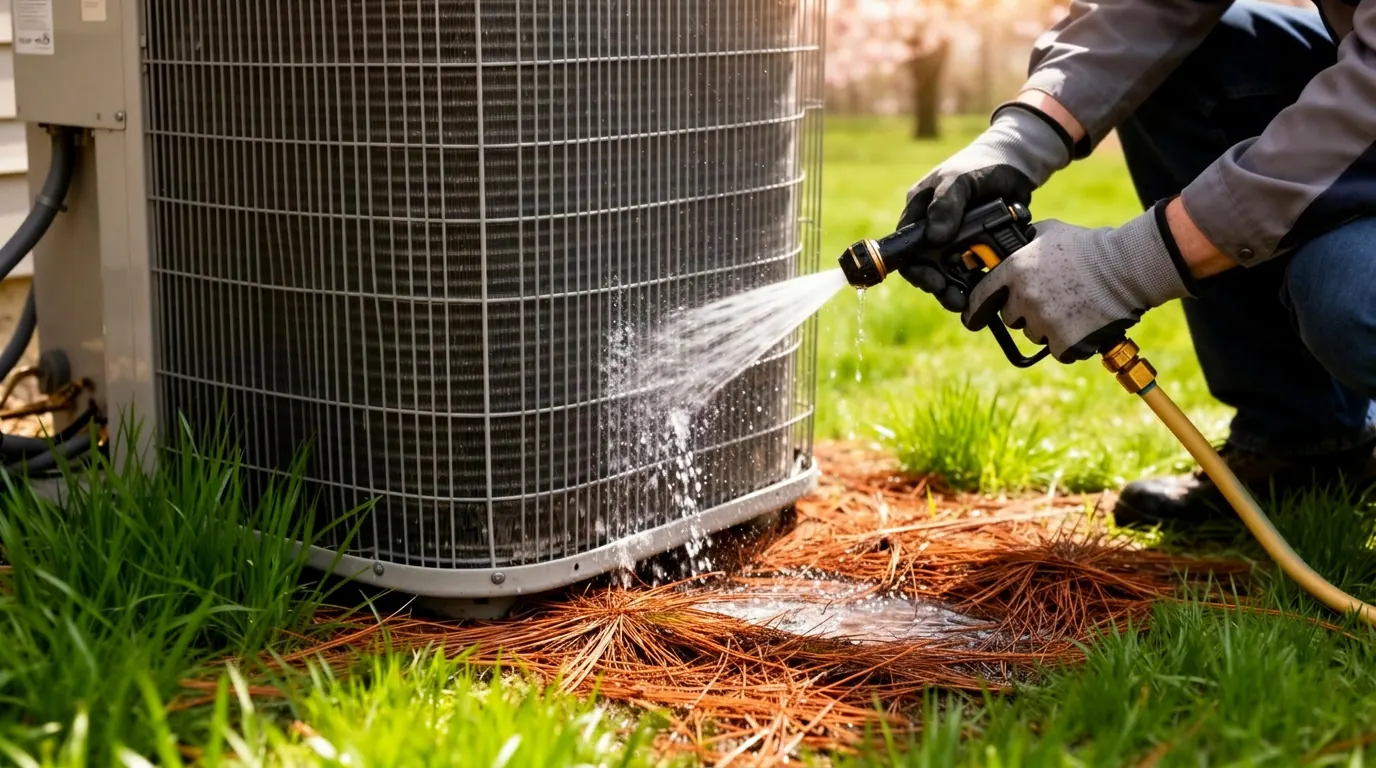
A neglected heat pump in Maine can lose 25% of its efficiency within a few years and die a decade early. A maintained one routinely runs 15–20 years at peak performance. The maintenance itself is straightforward — and most of it isn't expensive.
What homeowners can do themselves:
- Clean or replace filters every 1–3 months during heavy-use seasons
- Keep the outdoor unit clear of leaves, snow drifts, ice, and vegetation (2 ft on all sides)
- Wipe down indoor heads quarterly with a dry microfiber cloth
- Watch for unusual sounds, smells, or water drips — early signs of a small problem that's about to become a big one
- Use the system steadily — don't blast cold then turn it off; heat pumps prefer consistent operation
What needs a professional twice a year:
A proper Maine maintenance plan includes a spring tune-up (before cooling season) and a fall service visit (before heating season). Each visit should cover:
- Deep coil cleaning (indoor + outdoor)
- Refrigerant pressure verification
- Capacitor and electrical connection testing
- Condensate drain flush and inspection
- Full mode testing (heat, cool, dry, fan)
- Defrost cycle verification (critical for Maine winters)
For more on the spring side specifically, see why spring is the best time for heat pump maintenance in Maine.
Seasonal Considerations: Winter vs. Summer in Maine
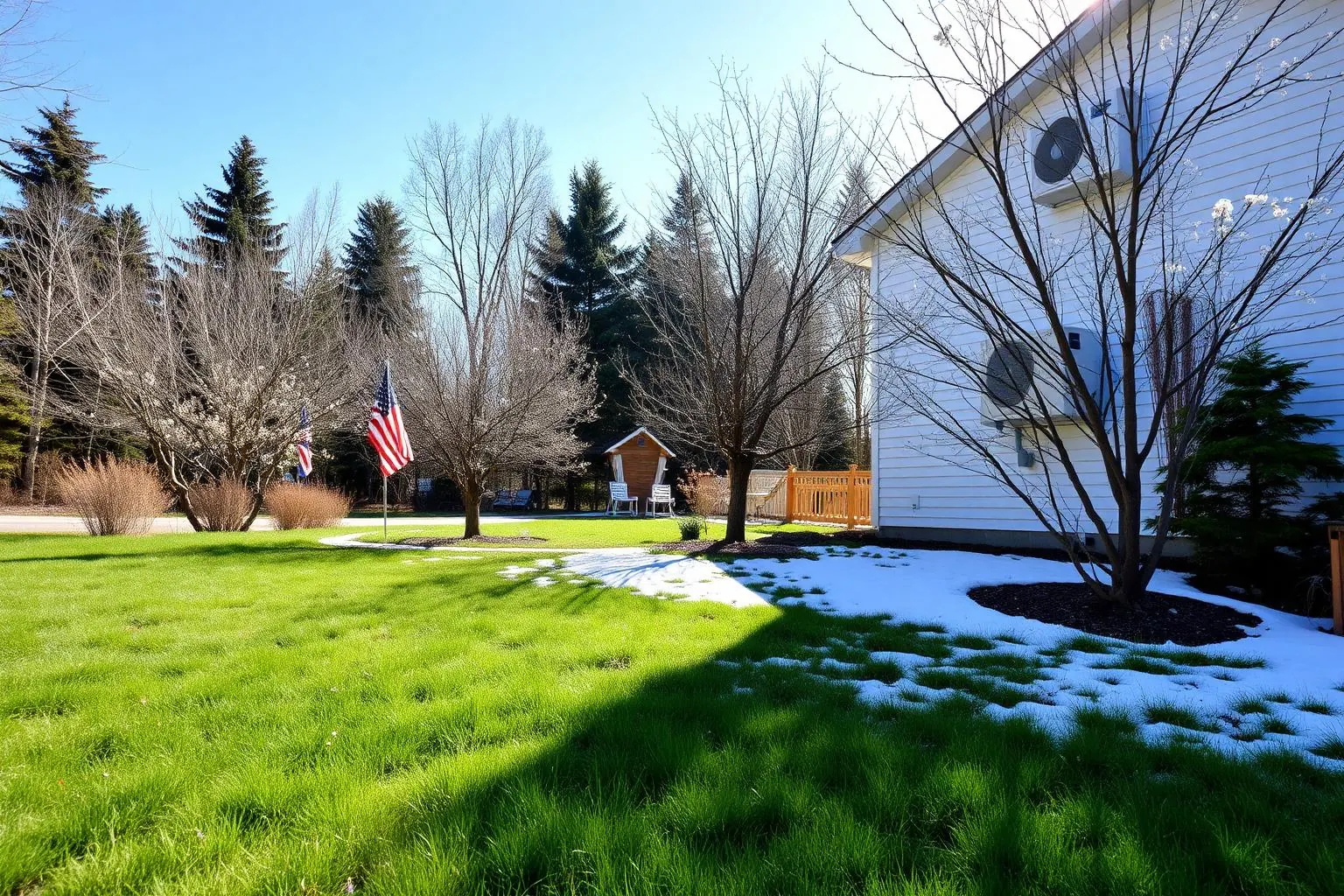
Maine has two real heat-pump seasons, and they each demand different things from your system.
Winter Operation (October–April)
Maine winters are the test that separates good systems from cheap ones. A few key points:
- Defrost cycles are normal. Your outdoor unit will periodically run a short defrost — sometimes producing steam — to clear ice from the coil. This is the system working correctly.
- Keep the outdoor unit raised and clear. In Northern Maine, that means installing on a stand 12–24 inches off the ground to clear snow drifts. Brush off accumulated snow gently after every major storm.
- Don't turn it off overnight. Heat pumps are most efficient running at a steady setpoint. Resist the urge to "turn it down" at night — it costs you more to recover than to maintain.
- Have backup heat ready. For deep cold snaps, a small backup source (electric resistance, wood stove, or existing baseboard) is smart insurance, even if you rarely need it.
Summer Operation (May–September)
Maine summers are humid, unpredictable, and harder on cooling equipment than people expect. Spring prep is essential — full details in our post on how to prepare your heat pump for the Maine summer. Quick highlights:
- Use Dry mode on humid days — it dehumidifies without overcooling
- Keep blinds closed on south- and west-facing windows during peak sun
- Let the system run steadily; don't crank it down when you walk in hot
- Schedule the spring tune-up before the first 80°F day
Frequently Asked Questions
Will a heat pump really keep up in a Maine winter?
Yes — provided you install a true cold-climate unit and size it correctly for your home's heat load. Modern ccASHPs are engineered for exactly the conditions Bangor, Lincoln, Millinocket, and the rest of the region see every January.
Do I need to remove my existing heating system?
Not necessarily. Many Maine homeowners keep their existing oil, propane, or baseboard heat as backup for the coldest days. Over time, most find they barely use it.
How long does a heat pump last in Maine?
With proper maintenance, 15–20 years is realistic. Without maintenance, expect 8–12 and significant efficiency loss along the way.
How quickly can I get installed?
Lead times vary by season — spring and fall book up fastest. A free assessment is typically available within a week.
Ready for a Free In-Home Assessment?
If you're a homeowner in Northern Maine, Central Maine, or anywhere in the greater Bangor region thinking about a new heat pump install or upgrading an aging system, the next step is simple: a free, no-pressure in-home assessment from a local team that knows what these systems go through up here.
We'll measure your home, talk through your goals, run a real load calculation, and give you an honest recommendation — whether that's a single-zone install, a multi-zone system, or "you don't need anything yet, here's what to watch for."
Call us at (207) 220-1630 to schedule your free assessment, or learn more about everything we do on our services page. We work across Penobscot County, Piscataquis County, and the Bangor and Lincoln areas.
Need Help With Your Heat Pump?
Whether you're planning a new installation or need maintenance, our team at Katahdin Home Services is here to help homeowners across Northern and Central Maine.
View Our Services